Revolutionising Security: The Rise of Digital Gate Locks
Security technology has advanced dramatically over the last decade, and digital gate locks have become an indispensable element in enhancing property security. These innovative devices blend cutting-edge technology with ease of use, establishing themselves as an integral part of modern security systems. As the demand for more sophisticated and user-friendly security solutions grows, understanding the functionality, benefits, and applications of digital gate locks is paramount.
Understanding Digital Gate Locks
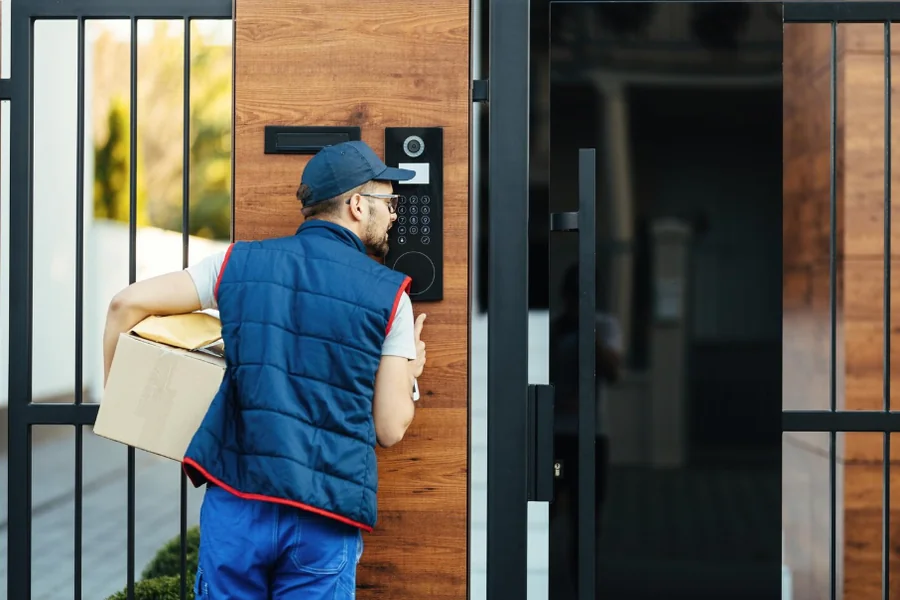
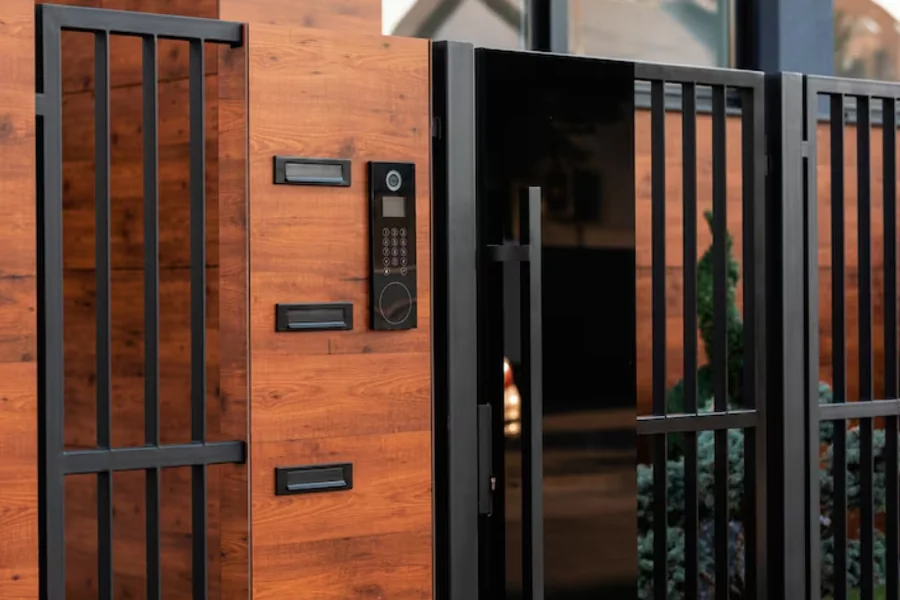
Digital gate locks are a form of electronic lock that uses digital methods instead of traditional keys to secure entry points. Unlike conventional locks, which require a physical key, digital gate locks utilise keypads, smartphones, biometrics, or other electronic means to grant access. By eschewing conventional keys, these locks offer an additional layer of security and convenience, reducing the risk of unauthorised access and lost keys.
These locks come in various types, such as PIN code locks, RFID card-based systems, Bluetooth-enabled locks, and fingerprint scanners. Each type provides varying degrees of security and user experience, catering to different needs and preferences. The range of options available allows consumers to select the lock system that best suits their needs, whether for residential properties, commercial establishments, or public facilities.
Benefits of Digital Gate Locks
One of the primary benefits of digital gate locks is their enhanced security features. By eliminating the need for physical keys, these locks reduce vulnerabilities associated with stolen or duplicated keys. Most digital locks integrate sophisticated encryption technology that adds an extra layer of protection against hacking and tampering. Additionally, many digital locks provide features like access logs and notifications, allowing property owners to monitor and control access in real time.
Convenience is another significant advantage. Users can unlock gates via keypads, smartphones, or cards, eliminating the hassle of managing multiple keys or remembering to carry them. This ease of use is especially beneficial for facilities with high foot traffic, such as office buildings or housing complexes. Resetting access codes or revoking permissions is typically straightforward, offering flexibility in managing security clearance without needing physical alterations.
Applications and Adaptations
The application of digital gate locks spans residential, commercial, and public domains. In residential settings, homeowners appreciate the convenience and security of a keyless system. Digital locks can be integrated with smart home systems, allowing for seamless control over home security. This integration is particularly useful for families, as it enables real-time monitoring of who enters and exits the property.
In commercial environments, digital gate locks are invaluable for managing employee access and maintaining secure workspaces. They allow businesses to issue temporary access to contractors or clients without compromising security. Furthermore, digital locks can be part of broader access control systems that provide layered security across large premises, from the main entrance to individual office doors.
Public facilities, including schools, hospitals, and government buildings, also benefit from the adaptability of digital gate locks. These systems accommodate fluctuating security needs and can be adjusted quickly in response to emergencies or changing security protocols. By managing who has access to certain areas, these institutions can maintain a secure environment for both staff and the public.
Technological Innovations
The development of digital gate locks is closely tied to advancements in technology. Innovations in wireless connectivity, such as Bluetooth and Wi-Fi, have facilitated the integration of digital locks with smartphones and other smart devices. Users can now lock and unlock gates remotely, receive alerts about suspicious activities, and access detailed entry logs directly from their devices. This connectivity allows for a more responsive and manageable security experience.
Biometric technology, including fingerprint and facial recognition, is another frontier where digital gate locks are making strides. These systems offer unparalleled security, as they rely on unique personal identifiers that are difficult to replicate. Although still a developing technology, biometric locks are steadily gaining acceptance as their reliability and accuracy improve.
Addressing Concerns and Challenges
Despite their numerous advantages, digital gate locks face certain challenges. Concerns about reliability, particularly regarding power outages or system malfunctions, are common. Many digital locks are equipped with backup batteries or mechanical overrides to ensure functionality during power failures. Regular maintenance and software updates are necessary to ensure these systems remain efficient and secure.
Privacy is another pertinent issue. With digital locks often storing user data, there is potential for privacy breaches if security measures are not robust. Manufacturers and consumers must prioritise data protection by incorporating encrypted communications and ensuring compliance with data protection regulations.
Future Prospects
The future of digital gate locks looks promising as technology continues to evolve. Developments in artificial intelligence (AI) and machine learning could further enhance lock systems by predicting and adapting to user behaviour. Such intelligent systems might offer personalised access control, automatically adjusting settings for different users or based on usage patterns.
Moreover, as the Internet of Things (IoT) expands, digital gate locks will likely become components of larger interconnected ecosystems. This integration will enable more comprehensive, centralised control over security and other smart devices, creating a synergistic environment that enhances overall safety and convenience.
Conclusion
The advent of digital gate locks marks a significant shift in how security is perceived and managed. By combining convenience with advanced technology, these locks offer a sophisticated solution to traditional security challenges. Their continued evolution promises to bring even more innovative features and applications, ensuring they remain a vital aspect of security for years to come.