Why Old Insulation in Seattle Homes Needs to Be Removed and Replaced
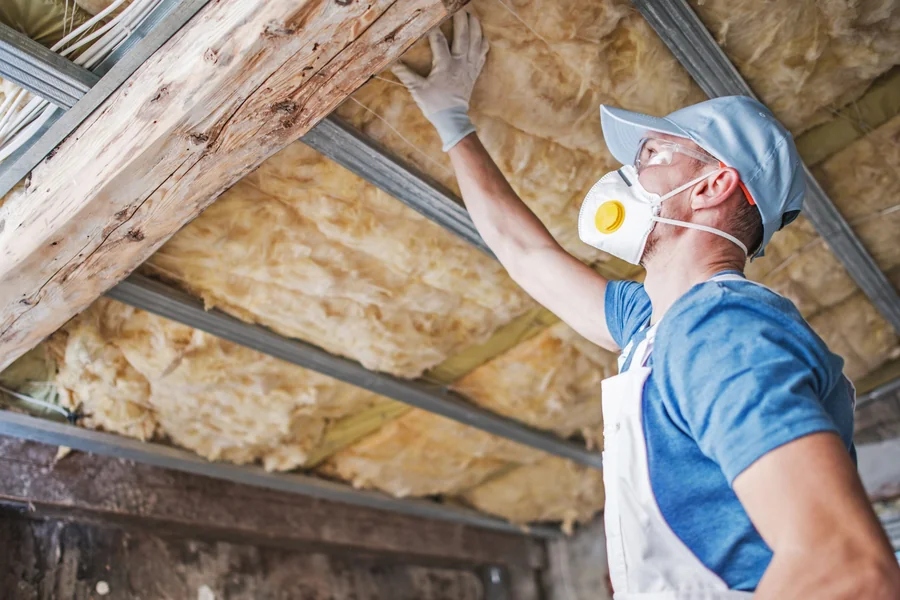
Old insulation causes serious problems for homeowners who want safe, comfortable, and efficient homes. Over time, it breaks down, loses its ability to hold heat, and can even become a health hazard. Many homeowners carry decades-old insulation that no longer meets current safety or efficiency standards.
Homeowners who address this problem early can avoid costly damage and health concerns down the road. This article covers key reasons why old insulation removal in Seattle is important for better home functioning.
Loss of Energy Efficiency Over Time
Insulation that has aged past its useful life no longer traps heat the way it should. This forces the HVAC system to work harder just to maintain a stable indoor temperature. Higher energy use leads directly to higher monthly utility costs throughout the year. Gaps, compression, and settled material all reduce the thermal barrier that keeps a home comfortable. A full replacement restores proper coverage and brings energy costs back down to a reasonable level.
Another reason to remove old insulation is uneven indoor temperature throughout the home. Rooms may feel too cold in winter and too warm in summer because insulation no longer provides a consistent thermal barrier. This uneven temperature forces heating and cooling systems to run longer and more frequently, which increases wear on the equipment. Over time, this added strain can shorten HVAC system lifespan and lead to expensive repairs. Replacing old insulation helps stabilize indoor temperature, reduces system strain, and improves overall comfort inside the home.
Moisture Damage and Its Long-Term Effects
Moisture is one of the biggest threats to insulation in Seattle and to the structure of any home. Wet insulation loses nearly all of its thermal value and creates the perfect environment for mold to grow. Here are the main ways moisture builds up inside insulation over the years:
- Roof leaks allow water to drip directly onto attic insulation, saturating it layer by layer.
- Crawl space vapor barriers that fail or shift allow ground moisture to rise into the insulation below.
- Poor ventilation traps condensation inside walls and attic spaces year after year.
- Plumbing leaks from pipes inside walls can go undetected for months while the insulation absorbs the damage.
The Hidden Dangers of Old Insulation
Aged insulation can hold moisture, mold, and even pest waste without any visible signs from inside the home. Mold growth inside wall cavities or attic spaces affects indoor air quality in ways that are hard to detect. Rodents and other pests nest in soft insulation material, leaving behind droppings and bacteria. Fiberglass and cellulose products from older eras may also contain materials that are now known to be harmful. Homeowners should never wait for visible signs before getting the material tested or inspected.
Why Professional Replacement Matters for Seattle Homes
The wet climate in this region makes insulation replacement even more critical than in drier parts of the country. Homes in this region face higher rates of moisture intrusion, mold growth, and pest activity than most. Professionals who handle insulation removal in Seattle understand local building codes, climate considerations, and the specific challenges that come with older construction styles. New insulation materials also perform far better than what was available decades ago, providing stronger thermal resistance with less bulk. Choosing a qualified contractor ensures the job gets done the first time correctly.
Old insulation creates real problems that affect health, comfort, and home value. Every homeowner in Seattle with an older property deserves to know what condition their insulation is actually in. Moisture, pests, mold, and energy loss all get worse the longer bad insulation stays in place. Replacement restores both comfort and efficiency while giving contractors a chance to catch hidden damage. As an actionable tip, schedule a professional crawl space or attic inspection this season before temperature swings make existing insulation problems even harder to manage.