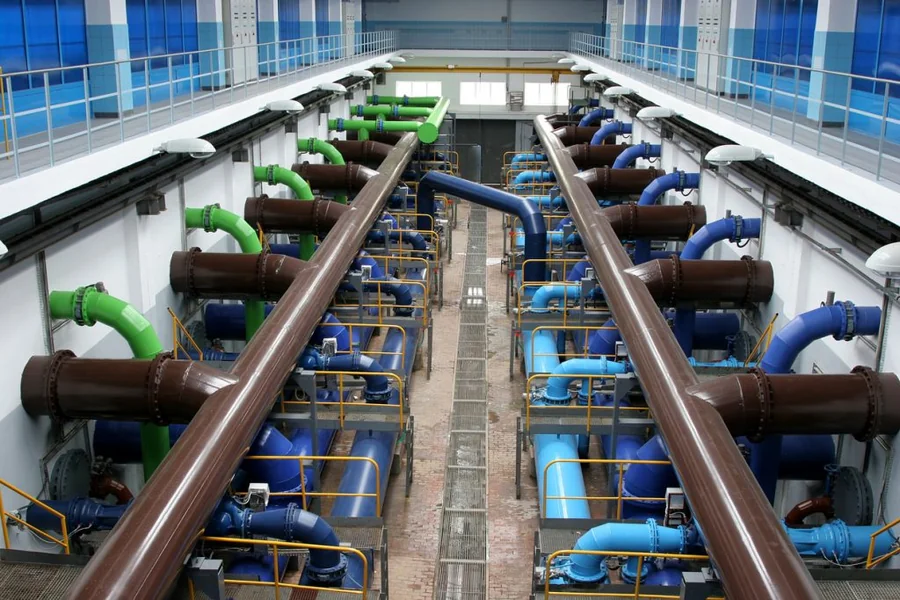
How Effective Water Management Drives Cost Savings in Facilities
Water often flows through a facility unnoticed, quietly supporting daily operations without much attention. Yet behind every restroom, cooling tower, kitchen, and irrigation system lies a steady stream of expenses. When usage goes unchecked, those costs stack up fast, eating into operational budgets and long-term profitability. Smart oversight of water systems is no longer optional for facilities that want to stay competitive.
Across commercial buildings, industrial plants, healthcare centers, and campuses, leaders are rethinking how they handle this essential resource. Modern solutions such as Ecovie Water Management demonstrate how structured monitoring and proactive strategies can turn water from a hidden liability into a measurable opportunity. By focusing on efficiency, leak prevention, and data-driven decisions, facilities can unlock significant financial gains while improving sustainability outcomes.
The True Cost of Water in Facilities
Water expenses extend far beyond the monthly utility bill. Facilities also pay for heating, pumping, chemical treatment, and wastewater disposal, all of which increase as consumption rises. Aging infrastructure, unnoticed leaks, and inefficient fixtures quietly inflate these costs over time. Without proper tracking, these hidden expenses remain buried in operating budgets.
Operational disruptions add another layer of financial impact. A single burst pipe or major leak can halt production, damage equipment, and require costly emergency repairs. Insurance claims and compliance penalties may follow, especially in regulated industries. When the full picture is examined, the real cost of water becomes impossible to ignore.
The Financial Impact of Leak Detection
Leaks are among the most common sources of unnecessary water loss. Even a slow drip can waste thousands of gallons annually, while underground leaks can go undetected for months. Advanced monitoring systems now provide real-time alerts that flag unusual usage patterns before they escalate. Early detection dramatically reduces waste and prevents structural damage.
Preventive maintenance plays a crucial role as well. Regular inspections of pipes, valves, and storage systems help identify weaknesses before failures occur. Facilities that invest in proactive upkeep typically spend far less on emergency repairs. Over time, the savings from avoided downtime and damage can be substantial.
Optimize Equipment and System Efficiency
Cooling towers, boilers, and industrial processes often account for the highest water consumption in large facilities. Inefficient calibration or outdated components can drive usage far beyond necessary levels. Fine-tuning these systems reduces waste without sacrificing performance. Automated controls ensure that water is used only when required and in the right amounts.
Upgrading fixtures also makes a noticeable difference. Low-flow faucets, smart irrigation systems, and efficient appliances significantly reduce consumption. These improvements often qualify for rebates or incentive programs, lowering the initial investment cost. The result is a leaner, more efficient operation that steadily trims monthly expenses.
Use Data to Drive Smarter Decisions
Modern water management relies heavily on data analytics. Digital meters and centralized dashboards provide detailed insights into usage patterns across different zones of a facility. This transparency makes it easier to pinpoint inefficiencies and adjust strategies accordingly. Decisions are no longer based on guesswork but on measurable trends.
Benchmarking performance against historical data or similar facilities adds another advantage. Managers can set realistic reduction targets and track progress over time. Data-driven insights also support capital planning by identifying where upgrades will deliver the highest return. When information flows clearly, smarter financial choices follow.
Effective water management is more than a maintenance task; it is a strategic financial decision. By identifying hidden costs, preventing leaks, optimizing equipment, and leveraging data, facilities can significantly reduce operating expenses. The savings compound year after year, freeing up capital for growth and innovation. Structured approaches such as Ecovie Water Management show how thoughtful planning and modern technology transform water from an overhead expense into a controllable asset. In a world where every resource counts, managing water wisely delivers measurable returns that extend well beyond the utility bill.