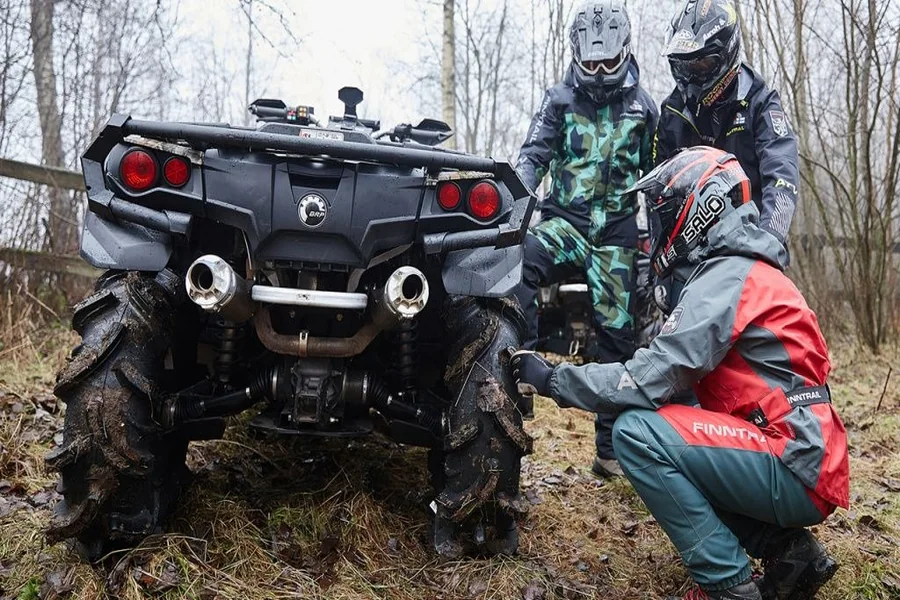
Inspection Tips for Buying a Reliable Used ATV
A used ATV can deliver great value, yet hidden wear can turn a deal into an expensive repair. A careful inspection helps you judge the condition, safety, and how the machine was treated. With a few practical checks, you can shop with more confidence and less risk.
Many buyers compare listings and dealer options, like Riva Motorsports & Marine of the Keys, to find units with clearer histories. A reputable seller can also explain service records and prepare the ATV for a test ride. Use the inspection tips below to spot red flags before you pay.
Check Paperwork, VIN, and Service History
Start with the title status and match the VIN on the frame to the paperwork. Ask for receipts that show oil changes, belt service, and scheduled maintenance over time. Missing records do not end the deal, yet they should lower the price.
Confirm the hours or miles shown on the display and compare them to the overall wear. Look at the seat condition, grips, and footwells to judge how hard it was used. A clean history and consistent wear usually signal responsible ownership.
Inspect Frame, Plastics, and Signs of Abuse
Walk around the ATV and look for cracks, bent parts, or fresh paint that may hide damage. Check the frame rails, A-arm mounts, and skid plate for deep scrapes and dents. Uneven gaps in plastics can suggest a hard impact or poor repair.
Look for rust near welds and under the engine area, especially if the ATV saw beach air. Check racks and hitch points for bends that indicate overload or rough towing. A straight frame matters most, since it affects handling and tire alignment.
Evaluate Engine Health and Fluid Condition
Ask for a cold start so you can hear how the engine runs before it warms up. Listen for ticking, knocking, or inconsistent idle that may suggest internal wear. Watch the exhaust for heavy smoke, which can point to oil burning.
Check oil color and level, then inspect for metal flakes on the dipstick or drain area. Look for coolant leaks near hoses and clamps, plus residue around the radiator cap. Clean fluids and dry seals usually indicate better upkeep and fewer surprises.
Test Suspension, Steering, and Brakes
Push down on the front and rear to check rebound and shock control. Excess bounce can signal worn shocks or tired bushings that hurt stability. Turn the bars lock to lock and feel for tight spots or grinding.
Inspect brake pads, rotors, and lines, then test the lever feel for firmness and control. A spongy lever can mean air in lines or neglected fluid service. Check wheel bearings by rocking each tire side to side for play.
Inspect Tires, Drivetrain, and Final Drive Parts
Tires tell a story, so check for uneven wear, sidewall cracks, and mismatched sets. Uneven tread can point to alignment problems or bent suspension parts. Fresh tires can help value, yet they should not distract you from deeper issues.
Check the CV boots for tears and grease slings near the axles and hubs. Inspect the chain or belt area for noise, excessive slack, or damaged covers. For dealer options, like Riva Motorsports & Marine of the Keys, ask if driveline service was completed before the sale.
A reliable used ATV starts with careful inspection and a test ride that confirms smooth power and safe control. Focus on paperwork, frame condition, engine health, and ride components that affect stability. With a thorough approach, you can choose a machine that feels dependable and worth the price.