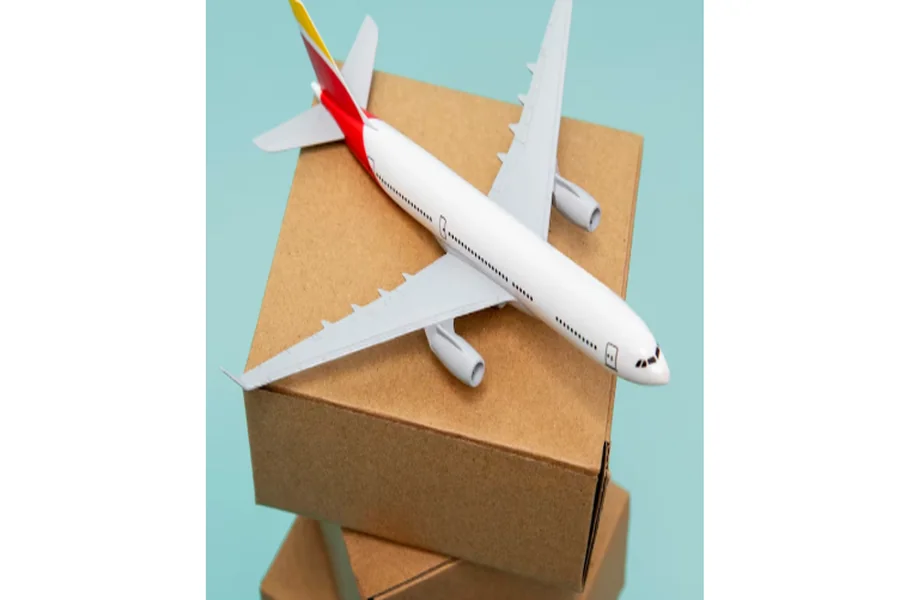
Air Cargo Handling Companies: Powering the Global Supply Chain
Handling air cargo is a complex, pivotal part of the global supply chain, and air cargo handling companies play an essential role in ensuring that goods are transported efficiently and securely across the world. These companies are responsible for the timely and safe management of goods at airports, from the moment they arrive at the air terminal to their final destination. By providing services such as loading, unloading, transportation, documentation, and warehousing, these companies guarantee the smooth operation of air freight transport.
The Role and Importance of Air Cargo Handling
Air cargo handling is the backbone of international trade, facilitating the movement of high-value and perishable goods. These companies must ensure that the goods are handled correctly to prevent damage during transit. This includes providing temperature-controlled environments for perishables, using special equipment for heavy or oversized cargo, and securing goods properly to avoid movement during flights. The efficiency with which air cargo handling companies operate directly affects the speed of international trade, impacting everything from retail to manufacturing industries.
Key Services Provided
- Loading and Unloading: One of the primary services provided by air cargo handling companies is the loading and unloading of goods. These processes require precision and coordination to ensure that cargo is placed in the aircraft in a manner that balances load distribution, optimises space, and maintains the safety standards required by aviation authorities.
- Security Measures: Security is a top concern in air cargo handling. Handling companies must adhere to strict regulations to prevent any security breaches. This involves thorough inspections, screening processes, and the use of advanced technologies such as X-rays and explosive detection systems to ensure that all cargo is safe and secure.
- Documentation and Compliance: Ensuring compliance with international trade regulations is vital. Air cargo handling companies are responsible for processing customs documentation, ensuring that all paperwork is completed accurately and submitted on time to avoid delays. This includes knowledge of import/export laws, tariff classifications, and ensuring that the cargo complies with international treaties and agreements.
- Warehousing and Storage: Many air cargo handling companies offer warehousing services that provide storage solutions for goods in transit. Warehouses often need temperature and humidity controls to protect sensitive cargo and provide facilities that prevent theft and damage during storage.
Technological Advances in Air Cargo Handling
The integration of technology has redefined the capabilities of air cargo handling companies. Automation and digitalisation have introduced new efficiencies and greater accuracy in operations. Technologies such as Internet of Things (IoT) devices, drones, and AI are being employed to streamline processes.

IoT and AI: IoT devices are used to monitor cargo via sensors that transmit real-time data on temperature, humidity, and location. This information helps in making informed decisions to ensure the safety of the goods. Meanwhile, AI enhances predictive analytics for demand forecasting, allowing these companies to optimise resource allocation.
Drones and Automation: Automated guided vehicles (AGVs) and drones are increasingly used for inventory management within warehouses. These technologies reduce human error, improve safety, and accelerate the movement of goods within storage facilities.
Challenges Faced by the Industry
Despite technological advancements, the air cargo handling industry faces several challenges. Capacity constraints, particularly in busy hubs, can lead to congestion and delays. Addressing these issues requires better infrastructure and optimised processes to manage peak periods efficiently.
Another significant challenge is the skilled labour shortage. As the demand for air cargo continues to grow, finding trained professionals to manage these specialised tasks becomes more pressing. Investing in training and retention strategies is crucial to maintaining service quality.
Environmental concerns also present a challenge. The aviation industry, in general, is under pressure to reduce its carbon footprint. Air cargo handling companies are exploring green technologies and sustainable practices to minimise environmental impact while maintaining operational efficiency.
Significant Players in the Industry
Some of the notable air cargo handling companies leading the industry are Swissport, Worldwide Flight Services (WFS), and Dnata. These companies have established a global presence, providing comprehensive handling services in key airports around the world.
Swissport, for example, operates at more than 300 locations worldwide, offering not only air cargo handling but also passenger services. WFS, with its extensive network across major global hubs, emphasises security and compliance. Dnata, based in Dubai, is known for its innovative solutions and custom-tailored services that cater to their clients’ unique needs.
Future Prospects
The future of air cargo handling looks promising as the demand for air freight continues to rise. E-commerce, in particular, has been a major driver of this demand. Companies are increasingly investing in technology to enhance their capabilities, improve customer satisfaction, and stay competitive.
With the focus shifting towards sustainability, digitalisation, and efficiency, air cargo handling companies are poised for innovation-driven growth, reinforcing their critical position in the global logistics and supply chain management ecosystem.