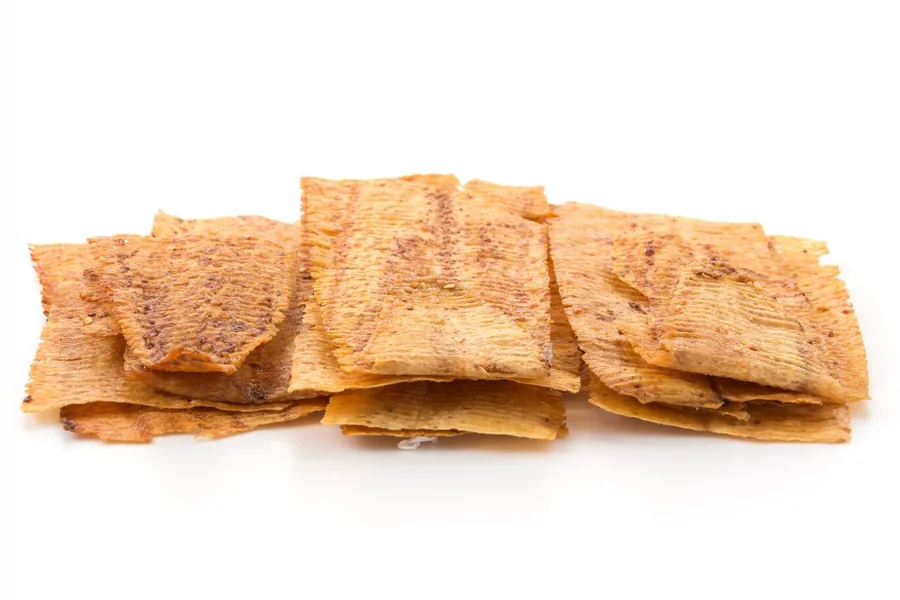
Fish Skin Snacks: The Sustainable and Nutritious Crunch Revolution
In recent years, the popularity of fish skin snacks has surged across the world, revolutionising the snack industry with their unique taste, texture, and nutritional benefits. These snacks, often derived from salmon or cod skin, have captivated consumers seeking health-conscious alternatives without compromising on flavour. A fish skin snack not only satisfies the modern consumer’s craving for crunchy texture but also embodies an innovative approach to using sustainable seafood by-products.
Historical Context and Production
The notion of consuming fish skin isn’t entirely new; many cultures around the world have long appreciated its flavours and textures. However, the commercial production of fish skin snacks is relatively recent, gaining momentum as the global push for sustainable food practices has intensified. These snacks are typically produced by cleaning and drying the fish skins, followed by frying or baking to achieve a crispy, delectable texture. Some manufacturers opt to season the skin with a variety of spices, adding a gourmet twist that appeals to diverse palates.
Nutritional Benefits
Fish skin snacks are not only delicious but also packed with nutrients. They are a significant source of omega-3 fatty acids, which are well-documented for their cardiovascular benefits, including reducing inflammation and potentially lowering the risk of heart disease. Additionally, fish skin contains collagen, a protein touted for promoting healthy skin, joints, and bones. Unlike many traditional snacks, fish skin crisps are low in carbohydrates and high in protein, making them an excellent option for those following high-protein or ketogenic diets.
Sustainability and Environmental Impact
The adoption of fish skin snacks is closely linked to the rise of sustainable eating habits. Traditionally discarded as waste products in the seafood industry, fish skins are now being repurposed into high-value snacks, reducing by-product waste and promoting more sustainable fishing practices. This approach not only maximises the utilisation of each fish caught but also lessens the demand for conventional, less sustainable protein sources. By turning what was once considered waste into a viable snack option, companies contribute to environmental conservation efforts, aligning with the government’s increasing emphasis on sustainability.
Market Trends and Consumer Preferences
The market for fish skin snacks is expanding rapidly, driven by a consumer base eager for healthier snack options. This shift in consumer preference is supported by changing dietary trends that prioritise natural and nutritious ingredients. Millennials and Gen Zs, in particular, are influential demographics pushing the demand for products that offer both quality and sustainability. Brands have responded by innovating with flavours and packaging that appeal to these eco-conscious consumers, thereby increasing their market share. From spicy chilli to tangy salt and vinegar, the diverse range of flavours ensures there is a fish skin snack for every taste preference.
Challenges and Perceptions
Despite their nutritional and environmental benefits, fish skin snacks must overcome certain challenges. Many consumers have long-held perceptions that discourage the consumption of fish by-products, influenced by cultural norms and pre-existing aversions to anything beyond typical fillets. Additionally, public awareness about the health benefits and sustainability of fish skins is still relatively low. To combat these challenges, educational efforts highlighting both the flavour and eco-friendly aspects of fish skin snacks are essential. Transparency in sourcing and ethical production processes also plays a vital role in shaping consumer perception and fostering trust in these snack products.
Innovations and Future Directions
As the demand for fish skin snacks grows, innovation within the industry is set to expand. Manufacturers are investing in research and development to improve the taste, texture, and nutritional content of their products. Advances in flavouring techniques and preservation methods may lead to an even wider variety of options. Additionally, collaborations with local fisheries ensure a steady supply of raw materials while supporting local economies.
The future of fish skin snacks looks promising, with potential expansion into new markets and the integration of additional species’ skins offering varied taste experiences. Education and marketing strategies highlighting the ecological benefits and health advantages of these snacks will be crucial in broadening their appeal.

Conclusion
While the landscape of the snack industry is continuously evolving, fish skin snacks stand out as an exemplar of innovation and sustainability. They not only provide a nutritious, low-carbohydrate alternative to traditional snacks but also exemplify a responsible approach to food production. As awareness grows and consumer interest follows suit, fish skin snacks are likely to become a staple in the snack cupboards of the health-conscious, eco-aware population.