Steps to Prepare Your Organization for SOC 2 Compliance Requirements
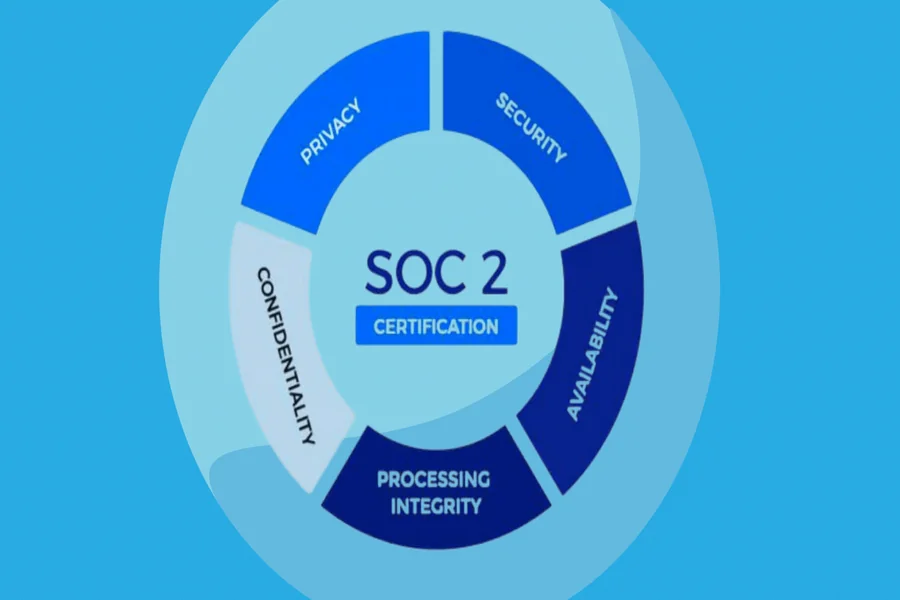
Organizations that store or process sensitive customer data must follow structured security practices. SOC 2 compliance focuses on how systems, processes, and internal controls protect information across security, availability, processing integrity, confidentiality, and privacy. Preparation requires documented policies, controlled access, and consistent monitoring of systems. Clear preparation helps organizations demonstrate responsible data handling during the audit process.
Many teams begin by aligning their internal security framework with regulatory cybersecurity compliance solutions that organize documentation, system monitoring, and compliance tracking. These solutions help teams manage policies, collect audit evidence, and monitor system activity. Organized compliance processes make it easier to demonstrate control effectiveness during SOC 2 reviews.
Why Use SOC 2 Compliance Services?
Professional compliance services help organizations structure SOC 2 preparation with documented controls, security policies, and defined procedures. Specialists review infrastructure, access management, logging systems, and internal workflows to identify security gaps that affect audit readiness.
They also guide teams through control implementation, risk documentation, and audit evidence collection. This support strengthens monitoring practices, improves policy enforcement, and maintains organized compliance records for ongoing SOC 2 requirements.
Establish A Clear Compliance Foundation
SOC 2 preparation begins with understanding risks and documenting security procedures. Every organization must identify how data moves through systems and who has access to it. Security responsibilities should be clearly assigned across departments.
Conduct A Risk Assessment
A risk assessment identifies weaknesses that could expose sensitive information. Technical teams review infrastructure, applications, and integrations that interact with data.
Security teams examine configuration settings, authentication methods, and system permissions. Each risk must be documented along with the action required to address it. Assigned owners track remediation activities and maintain records for audit evidence.
Develop Security Policies And Controls
Security policies define how employees interact with systems and data. Clear documentation helps auditors confirm that procedures align with SOC 2 trust service criteria.
Policies should cover access management, data protection procedures, and incident response workflows. Each policy must explain how controls operate and who is responsible for maintaining them.
Implement Operational Practices That Support Compliance
Once policies exist, operational activities must support them every day. System monitoring, documentation, and staff awareness all contribute to compliance readiness.
Strengthen Access And Identity Management
Identity management controls who can access systems and sensitive information. Access rights should align with job responsibilities and operational roles.
Authentication policies should require strong passwords and additional verification methods. Administrative privileges should remain restricted and reviewed regularly.
Maintain Monitoring And Compliance Documentation
Continuous monitoring confirms that security controls operate as expected. Many organizations manage system activity and audit evidence using structured regulatory cybersecurity compliance solutions that centralize logs and compliance records.
Effective monitoring and documentation typically include:
- Tracking system login activity and authentication attempts
- Recording configuration changes within infrastructure or applications
- Maintaining security logs that verify policy enforcement
- Storing compliance evidence used during SOC 2 audits
Regular reviews of monitoring records confirm that security controls remain active. Compliance teams should check logs and alerts to verify policy enforcement and maintain organized audit documentation.
Train Employees On Security Procedures
Employees interact with systems every day, so security awareness plays a key role in compliance preparation. Staff members must understand policies related to access control, incident reporting, and data protection.
Training sessions explain how to recognize unusual system activity and how to report security concerns. Internal compliance reviews also help teams confirm that procedures remain aligned with SOC 2 requirements.