Understanding CPAP: A Comprehensive Insight into Sleep Apnoea Treatment
Continuous Positive Airway Pressure, commonly known as CPAP therapy, has emerged as a pivotal treatment for those suffering from sleep apnoea, a disorder characterised by interrupted breathing during sleep. This method involves maintaining open airways to ensure the patient remains breathing uninterrupted throughout the night, thereby enhancing overall sleep quality and well-being. CPAP therapy works by using a specialised machine to deliver a constant stream of air through a mask, ensuring that the user’s airway doesn’t collapse during sleep.
The Science Behind CPAP Therapy
At the core of CPAP therapy is its capability to alleviate obstructive sleep apnoea (OSA), which occurs when throat muscles intermittently relax and block the airway during sleep. People suffering from sleep apnoea frequently report symptoms like loud snoring, episodes of stopped breathing, abrupt awakenings accompanied by gasping or choking, and excessive daytime drowsiness. CPAP machines function by delivering a steady air pressure to keep the airways open, mitigating these interruptions and promoting adaptive sleep cycles.
Components of a CPAP Machine
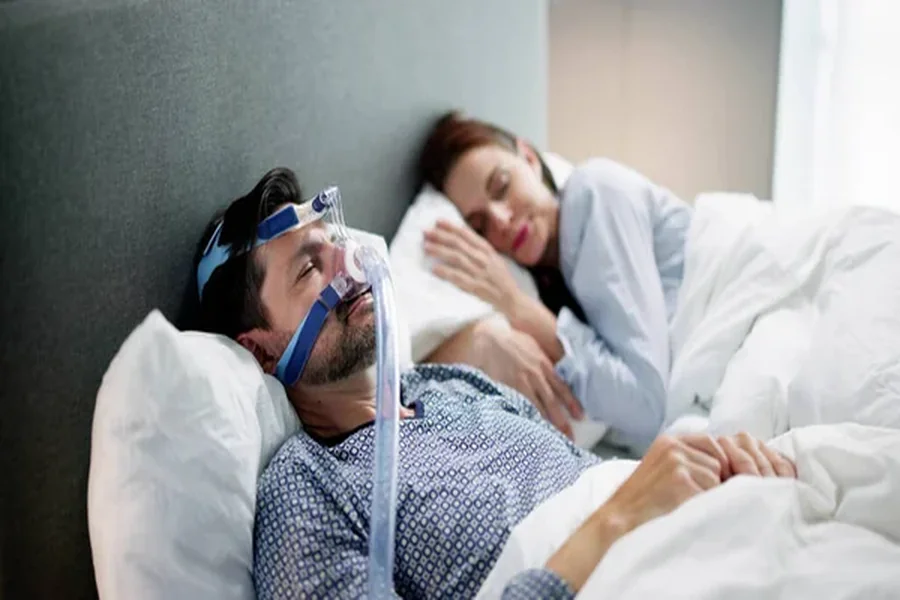
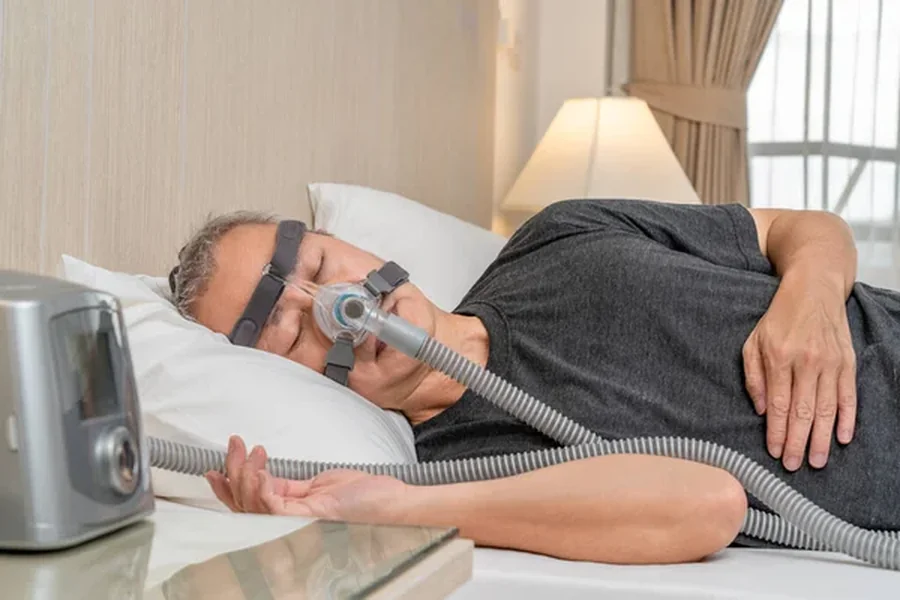
A standard CPAP machine consists of three primary components: a motor, a mask, and a hose. The motor is a compact air compressor that delivers air through the hose to the mask, which the user wears over their nose or mouth. Modern CPAP devices are designed to be whisper-quiet, ensuring minimal disruption for both the user and their sleeping partner.
The masks come in several forms: nasal masks, nasal pillows, and full-face masks. Each type has its benefits depending on the user’s breathing preferences and comfort levels. Nasal masks cover only the nose, while nasal pillows are smaller and rest at the entrance of the nostrils. Full-face masks are ideal for those who breathe through their mouth during sleep or have nasal obstructions.
Benefits and Efficacy
CPAP therapy offers numerous benefits beyond the primary aim of normalising breathing during sleep. Research indicates that consistent use of CPAP machines not only improves sleep quality but also reduces blood pressure, lowers the risk of heart disease, and enhances cognitive functions. Patients often experience more energy, improved mood, and better daytime alertness.
In terms of efficacy, CPAP is highly effective when used correctly. However, user compliance can be a challenge. Some individuals find it difficult to adjust to wearing a mask during sleep, leading to improper use or abandonment of the therapy altogether. Nonetheless, continuous advancements in design have led to more comfortable and user-friendly CPAP machines, which encourage higher adherence rates.
Addressing CPAP-Related Challenges
Despite its benefits, some users face difficulties in adapting to CPAP therapy. Common challenges include discomfort due to mask size and fit, nasal congestion, dryness, skin irritation, and claustrophobia. To address these issues, healthcare providers recommend regular cleaning of equipment, experimenting with different mask styles and sizes, and using humidifiers to combat dryness.
Moreover, education and patience are crucial for acclimatisation. Healthcare professionals often provide compliance guidelines and support services, helping users overcome initial discomfort and ensuring long-term benefits from the therapy.
Impact on Lifestyle and Health
The impacts of untreated sleep apnoea can extend beyond sleep disturbances, affecting overall health and lifestyle. Studies highlight a correlation between untreated OSA and severe health conditions, including hypertension, atrial fibrillation, diabetes, and stroke. By addressing these underlying conditions through consistent CPAP use, patients significantly mitigate their health risks.
Additionally, CPAP therapy has been shown to indirectly contribute to weight management. As energy levels and physical activity capacity increase with improved sleep quality, patients often find it easier to engage in physical activity, promoting healthier weight profiles.
Innovations and Future Directions
As technology evolves, so does CPAP therapy. Recent innovations focus on enhancing user experience and efficacy. Among these advancements are smart CPAP machines that automatically adjust pressure settings based on the user’s needs throughout the night. These machines often come integrated with wireless connectivity features, allowing users to track their compliance data and share it with their healthcare providers for better personalised care.
Research into personalised therapy settings continues to be a promising frontier. Developers are working on algorithms that can predict the optimal pressure settings for individual users, ensuring the most efficient airway support while reducing discomfort.
Furthermore, CPAP equipment manufacturers are creating more travel-friendly devices. These portable models are compact, making it easier for users to maintain their therapy regimen while travelling.
The Role of Healthcare Providers
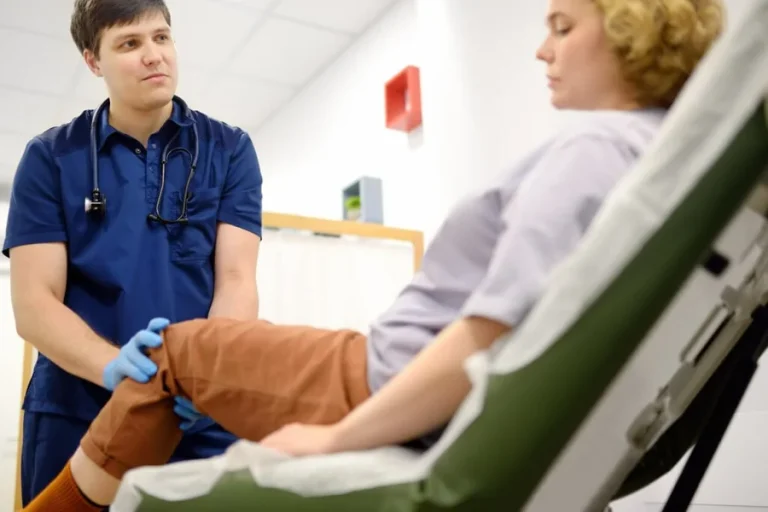
Healthcare providers play an essential role in the success of CPAP therapy. They begin by performing diagnostic tests such as polysomnography to confirm the presence of sleep apnoea. Once diagnosed, they guide patients through the selection process of CPAP machines and masks, ensuring an optimal and personalised fit.
Continued monitoring and follow-ups are integral for adjusting pressure settings, evaluating equipment efficiency, and addressing patient concerns. Providers must also educate patients on the significance of adherence, reiterating the long-term health benefits afforded by uninterrupted, quality sleep.
Conclusion
CPAP therapy remains a cornerstone in the management of sleep apnoea, transforming lives by restoring restful sleep patterns and safeguarding against associated health risks. As the field advances with technology-driven solutions, both healthcare providers and patients stand at the threshold of a new era in sleep medicine, a promising future marked by improved comfort, accessibility, and personalised care. By embracing these innovations, CPAP therapy continues to uphold its critical role in health, comfort, and quality of life enhancement.