Understanding the Dynamics of EV Car Leasing in Singapore
The Shift Toward Sustainable Mobility
Singapore has long been recognised for its effective public transport network and strict vehicle regulations. Limited road space, high ownership costs, and government policies have shaped travel behaviour in the city. Drivers exploring electric mobility options can find detailed information about available models and leasing opportunities at https://bydcars.sg/. Within this context, leasing electric vehicles (EVs) has emerged as a practical and flexible option for both residents and businesses. Interest in “EV car lease Singapore” reflects a growing willingness to adopt greener transport solutions while avoiding the long-term financial commitments of vehicle ownership.
The city-state has set ambitious goals to achieve net-zero emissions by 2050. Reducing reliance on conventional vehicles is central to this strategy. Electric vehicles represent a key component of this effort, offering cleaner, quieter transport while supporting broader environmental initiatives. Leasing allows individuals and companies to access electric mobility without the upfront investment required for purchase, making sustainable transport more attainable for a wider audience.
Policy Incentives and Market Development
Government measures have played a significant role in promoting electric vehicle adoption. Incentive schemes and rebates reduce the upfront cost of acquiring EVs, encouraging both personal and corporate interest. Adjustments to vehicle emission frameworks and tax reductions have improved the financial viability of electric models.
The leasing sector benefits directly from these policies. Lower acquisition costs for operators make it more feasible to maintain diverse electric fleets. As supply increases, leasing companies can offer a wider range of vehicles to match different needs and preferences. The alignment between regulatory support and industry growth has accelerated the availability of EV leases and increased public familiarity with electric mobility.
Advantages of Leasing an EV
Leasing an electric vehicle provides multiple advantages for urban residents. Singapore’s high cost of car ownership often makes long-term purchase impractical. Leasing offers flexibility, allowing users to access a car without committing to insurance, maintenance, or depreciation concerns.
Electric vehicles offer operational savings through lower fuel and servicing expenses. Electricity is typically cheaper than petrol, and EVs have fewer mechanical components, reducing the frequency of repairs. Leasing provides the opportunity to experience these benefits with minimal risk, making sustainable mobility accessible to more people.
For businesses, leasing an electric vehicle can reinforce sustainability commitments. Companies can lease EVs for staff transport, client meetings, or executive use, projecting an environmentally responsible image. This approach also allows organisations to manage fleet costs more efficiently while introducing modern, green alternatives into daily operations.
Tourists and short-term residents can also benefit from leasing arrangements. Leasing allows for longer-term access to vehicles compared to traditional rentals, offering both convenience and freedom for extended stays without requiring a purchase. Choosing an electric model supports the city’s broader environmental goals while giving users a practical means of transport.
Charging Infrastructure and Practical Considerations
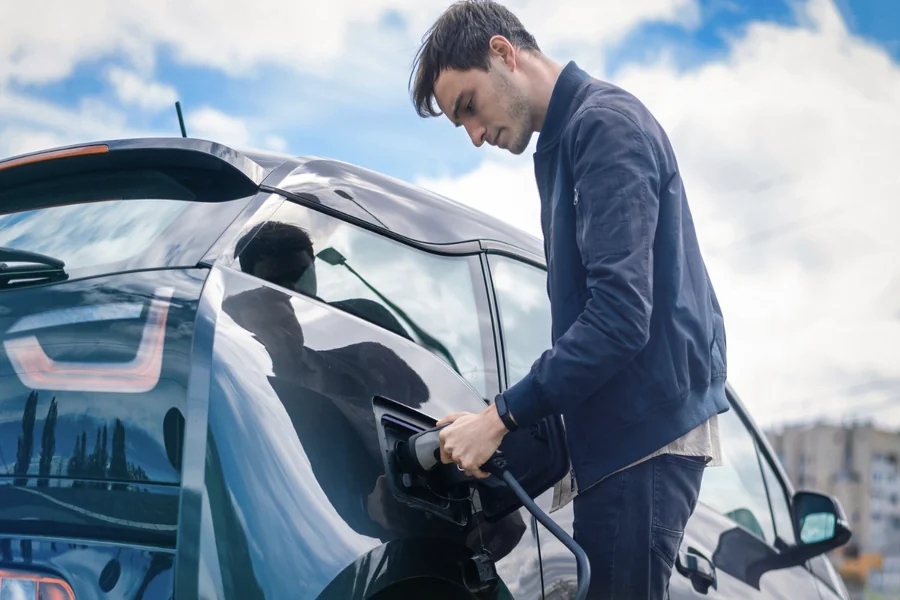
The growth of EV leasing depends heavily on accessible charging infrastructure. Authorities have set targets for extensive deployment of charging points across public car parks, residential estates, and commercial buildings. This development reduces concerns about battery range and makes EVs more convenient for everyday use.
Accessible charging facilities are particularly important for leasing customers. Operators often provide guidance on available stations and estimated driving range, helping users plan trips effectively. Advances in battery technology have also extended vehicle range, and faster charging options reduce downtime. The combination of improved technology and widespread infrastructure makes leasing an EV more practical than ever.
Vehicle Options in the Leasing Market
Singapore’s leasing market offers a broad spectrum of electric vehicles. Options range from compact city cars to premium sedans and sport utility vehicles. Well-known brands such as Tesla, Hyundai, BMW, and Nissan feature prominently in leasing portfolios.
The Tesla Model 3 appeals to customers seeking advanced in-car technology and extended driving range. Hyundai’s Kona Electric provides an affordable option that balances performance and efficiency, making it suitable for daily urban use. BMW’s electric lineup caters to drivers interested in a premium experience with sustainable credentials.
This diversity ensures that leasing companies can meet the specific needs of different users. Customers may prioritise cost, technology, or brand prestige, and the availability of multiple models supports a growing and varied market.
Challenges in the Leasing Sector
Despite positive trends, EV leasing faces obstacles. The purchase cost of electric vehicles remains higher than that of conventional models, creating an investment challenge for leasing companies. Operators must carefully plan fleet size and composition to maintain profitability while providing sufficient choice for customers.
Public perception can also affect uptake. Some potential users worry about battery range and charging availability, even though most daily travel falls well within modern EV capabilities. Leasing companies address these concerns through guidance, transparent information, and assistance with charging logistics. Clear communication about vehicle capabilities helps build confidence among lessees.
Environmental and Social Impact
Wider adoption of EV leases supports environmental objectives. Increased electric vehicle usage reduces reliance on fossil fuels and lowers carbon emissions. Cleaner air in densely populated areas benefits residents, and quieter streets improve urban liveability.
Leasing vehicles introduces more people to electric mobility. Experiencing an EV through a lease can change perceptions and encourage future adoption, contributing to broader behavioural shifts. Businesses and individuals who lease electric vehicles integrate sustainable practices into daily routines, strengthening collective environmental awareness and supporting national emission reduction targets.
Looking Forward
Electric vehicle technology continues to advance. Improved battery efficiency, faster charging, and greater driving range will increase the attractiveness of EVs for leasing. As demand grows, leasing companies are likely to expand fleets, offering more options and competitive packages.
The compact size of Singapore, combined with concentrated urban routes, suits electric mobility. Charging points can be installed efficiently, and the city’s transport system supports short-to-medium trips that match EV performance. Leasing arrangements provide flexibility for customers, making it easier to adopt EVs without a long-term financial commitment.
Conclusion
The emergence of electric vehicle leasing in Singapore represents a significant evolution in urban transport. Policy support, expanding charging infrastructure, and rising environmental awareness have created favourable conditions for growth. Individuals, businesses, and longer-term visitors are increasingly embracing EV leases, attracted by operational savings, flexibility, and reduced environmental impact.
While challenges remain in terms of vehicle cost and public confidence, these are gradually being addressed through technology, policy, and practical guidance. Leasing offers a viable route to integrate electric vehicles into daily life, supporting Singapore’s journey toward cleaner and more sustainable mobility. The continued expansion of EV leasing promises benefits for the environment, society, and the economy, positioning electric vehicles as a practical choice for the city’s present and future.