Wisdom Tooth Surgery: Causes, Procedure, Recovery, And The Importance Of Professional Dental Care
For many, the mention of wisdom teeth can conjure up thoughts of discomfort and dental procedures. At the heart of many dental care discussions, wisdom tooth surgery is a significant topic that highlights the importance of professional dental interventions at establishments such as the Family Dental Centre, where expertise and care converge to ensure optimal oral health. Wisdom teeth, also known as third molars, are the last set of teeth to emerge, typically appearing in the late teens or early twenties. Their late arrival and a unique position in the mouth often lead to complications that necessitate surgical removal.
The Need for Wisdom Tooth Surgery
The primary reason for wisdom tooth surgery is the misalignment and overcrowding of these teeth. As the jawbone matures, space becomes limited, making it difficult for wisdom teeth to erupt properly. This lack of space can lead to impaction, where the teeth remain partially or completely trapped beneath the gum line. Impacted wisdom teeth can cause a myriad of problems, including pain, swelling, and infection. They can also push against neighbouring teeth, leading to bite misalignment and even causing damage to adjacent teeth.
Types of Impaction
Wisdom teeth can be impacted in various ways, which influences the complexity and approach to surgical removal. The main types include:
– Mesial Impaction: This is the most common form, where the tooth angles towards the front of the mouth.
– Vertical Impaction: Although the tooth is in a reasonably correct position, it may be trapped against the adjacent tooth.
– Horizontal Impaction: The tooth is lying horizontally and can exert pressure on neighbouring teeth, often requiring prompt removal.
– Distal Impaction: Here, the tooth angles towards the back of the mouth, and though less common, it poses challenges for removal.
Symptoms Indicating Wisdom Tooth Problems
Patients may experience several symptoms indicating the need for an evaluation of their wisdom teeth:
– Persistent pain or discomfort at the back of the mouth
– Swelling of the gums and possible pus discharge
– Difficulty and pain while opening the mouth
– Swollen lymph nodes and bad breath
– Consistent headaches and jaw stiffness
These symptoms suggest that a professional consultation is vital to determine the presence of impacted wisdom teeth and to assess the need for surgical intervention.
The Procedure
Wisdom tooth extraction is a common outpatient procedure performed under local anaesthesia, sedation, or general anaesthesia, depending on the complexity of the case and the patient’s comfort. The procedure involves:
- Anaesthesia Administration: To ensure pain-free surgery, the dentist or oral surgeon will administer the appropriate form of anaesthesia.
- Incision Making: An incision is made in the gum tissue to expose the tooth and bone.
- Bone Removal: If bone obstructs access to the tooth root, it will be removed to facilitate tooth extraction.
- Tooth Extraction: The dentist will remove the tooth. If necessary, the tooth can be divided into smaller pieces for easier extraction.
- Stitching: The incision site is stitched up to promote healing and prevent infection.
- Gauze Placement: Gauze is placed over the extraction site to control bleeding and help form a blood clot.
Post-Surgery Care and Recovery
After surgery, proper care and adherence to post-operative instructions are crucial for a smooth recovery:
– Pain Management: Over-the-counter painkillers or prescribed medications can be used to manage discomfort.
– Swelling Reduction: Applying an ice pack on the outside of the cheek intermittently can help reduce swelling.
– Dietary Adjustments: A soft food diet is recommended for the first few days post-surgery. Avoid hot, spicy, and hard foods that can irritate the extraction site.
– Oral Hygiene: Maintain oral hygiene by gently rinsing with a saltwater solution and avoiding the use of toothbrushes near the surgical area during the initial days.
– Activity Limitation: Rest is essential to encourage healing. Strenuous physical activities should be avoided for at least a few days post-surgery.
Potential Complications
Like any surgical procedure, wisdom tooth extraction comes with potential complications, albeit rare when performed by experienced practitioners:
– Dry Socket: This occurs when the blood clot dislodges from the extraction site, exposing the bone and nerves, leading to significant pain. It requires prompt attention from a dental professional.
– Infection: Signs of infection include fever, increased swelling, and persistent pain. Antibiotics are often prescribed if an infection is suspected.
– Nerve Damage: There is a small risk of temporary or permanent numbness if the nerves near the wisdom teeth are affected.
Importance of Professional Dental Care
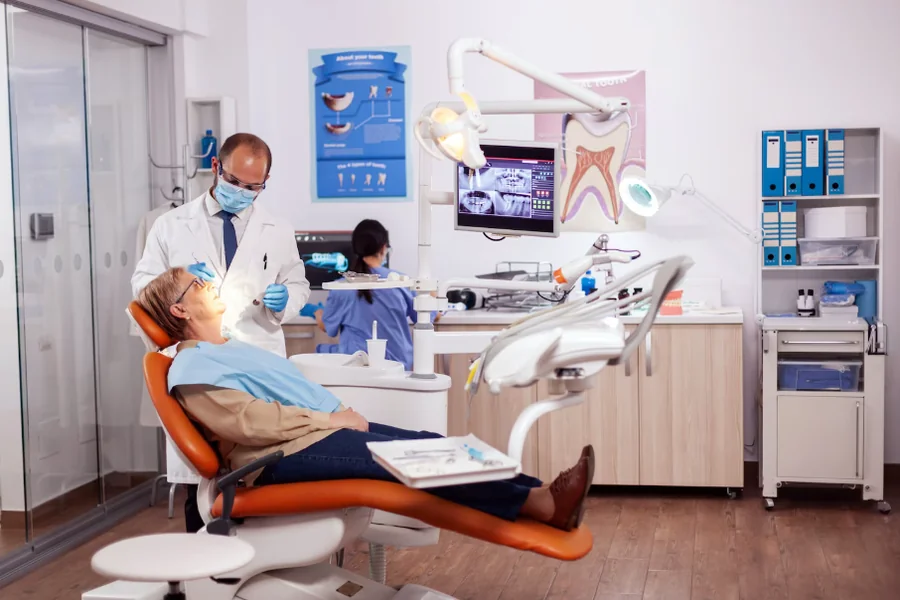
The significance of addressing wisdom tooth complications with professional dental care cannot be overstated. Regular check-ups with dental professionals enable early detection and management of potential problems. The surgical removal of wisdom teeth, while routine, should be approached with a clear understanding of the risks and benefits. The comprehensive care provided by clinics like the Family Dental Centre ensures patients receive not only technical expertise but also compassionate and personalised treatment, paving the way for effective outcomes and optimal oral health.